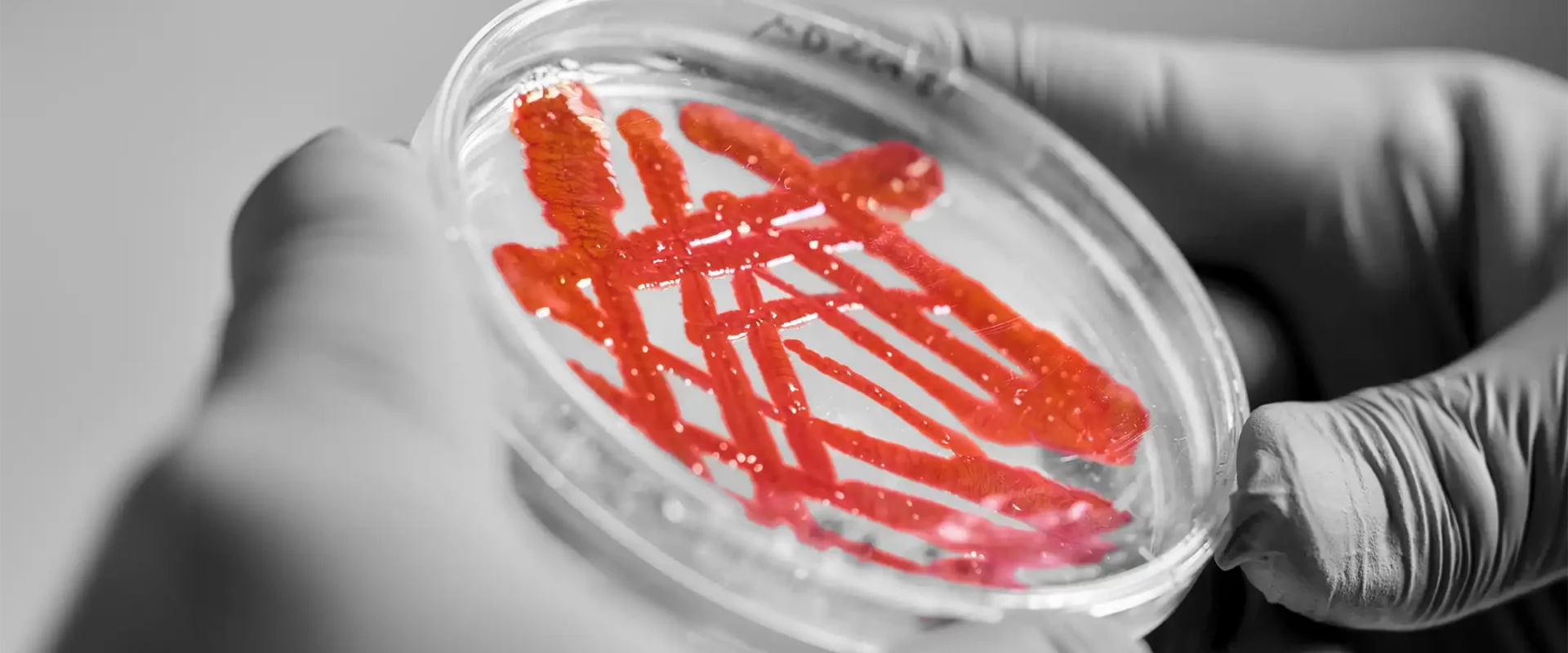
A Petri dish containing a red culture is being examined in a laboratory. The image illustrates research steps in microbiology and biotechnology, in which microorganisms are specifically analysed and cultivated.

Biology

The area biology at the IHD comprises the areas of mycology and molecular biology as well as wood science/wood anatomy, wood protection and wood modification.

Technical-organisational subdivisions are the Mykolabor Dresden with research and development activities on microbiology/mycology and molecular biology, the Wood Anatomy Laboratory and the Wood Drying/Wood Modification Technical Centre.

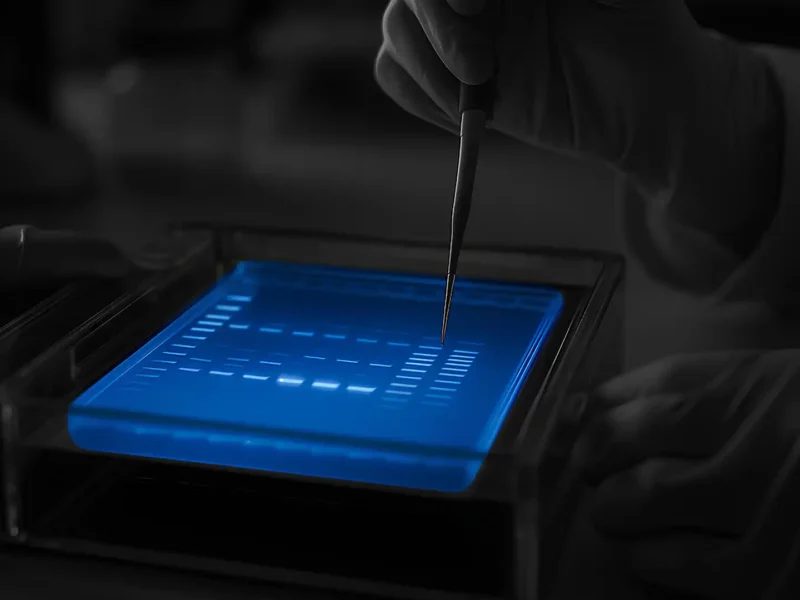
Close-up of a gel during electrophoresis. A person carefully pipettes a specimen, revealing the different DNA fragments as blue fluorescent bands in the gel.

Molecular diagnostics and bioinformaticsMolecular diagnostics and bioinformatics

  • Qualitative and quantitative DNA diagnostics of microorganisms (especially fungi, bacteria, algae) by means of PCR, real-time PCR, PCR-ELISA, DNA array and sequencing (conventional and NGS)
  • Sequence and database analyses (NCBI)
  • Design of PCR primers, array probes and RFLP patterns
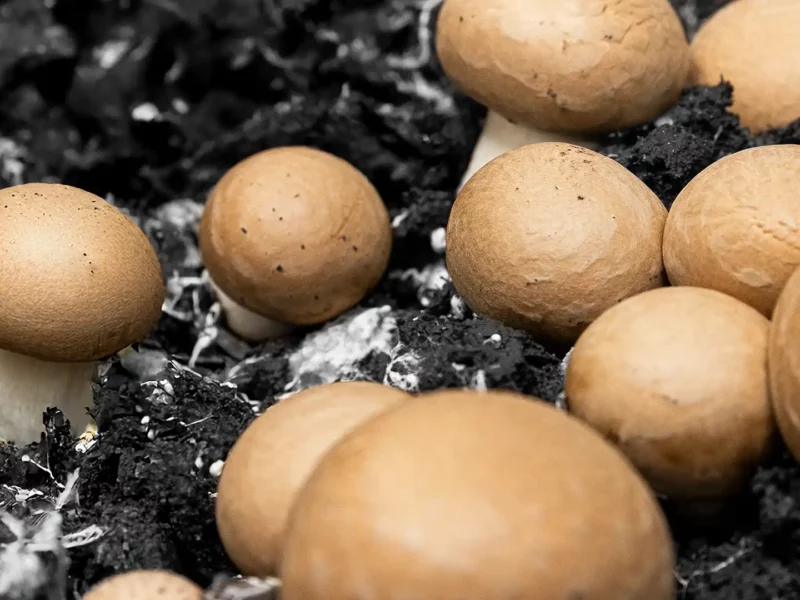
Close-up of several fresh button mushrooms growing from an earth-like substrate. The mushroom caps stand out clearly from the dark underlying surface and show the typical appearance of edible fungi.

Microbiology, mycology, biotechnologyMicrobiology, mycology, biotechnology

  • Diagnostics of microorganisms (e.g. by cultivation, microscopy)
  • Building biology, indoor hygiene
  • Investigations on mould
  • Further development of biological test methods
  • Biotechnical modification of materials
  • Production and application of enzymes
  • Mushroom cultivation (edible and medicinal mushrooms)
  • Development of substrates for plants and cultivated fungi
  • Development of fungus-based materials
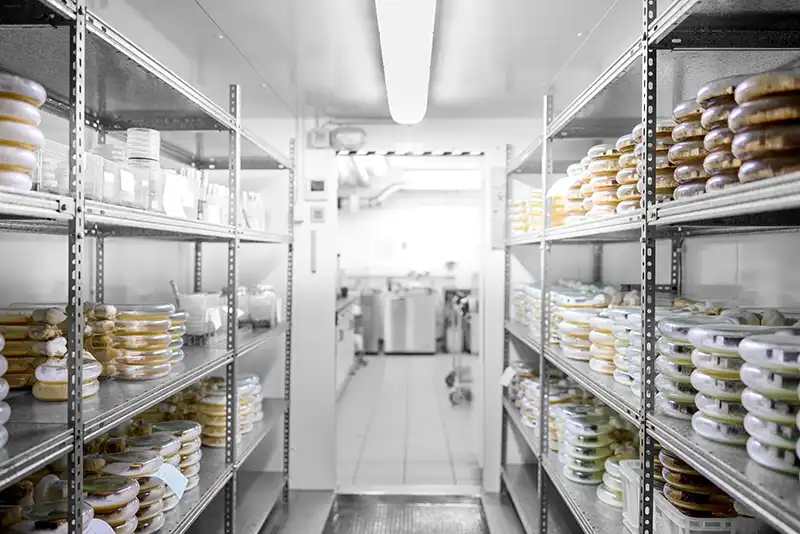
Numerous Petri dishes containing various microbiological samples (e.g. fungi, bacteria, algae) are stored on shelves in a laboratory room. The photograph illustrates the importance of research and analysis for the cultivation and investigation of microorganisms.

Material protection against fungi, bacteria and algaeMaterial protection against fungi, bacteria and algae

  • Efficacy of biocides
  • alternative operating principles in material protection
  • biological resistance of wood, materials and coatings
  • interaction between materials and harmful organisms
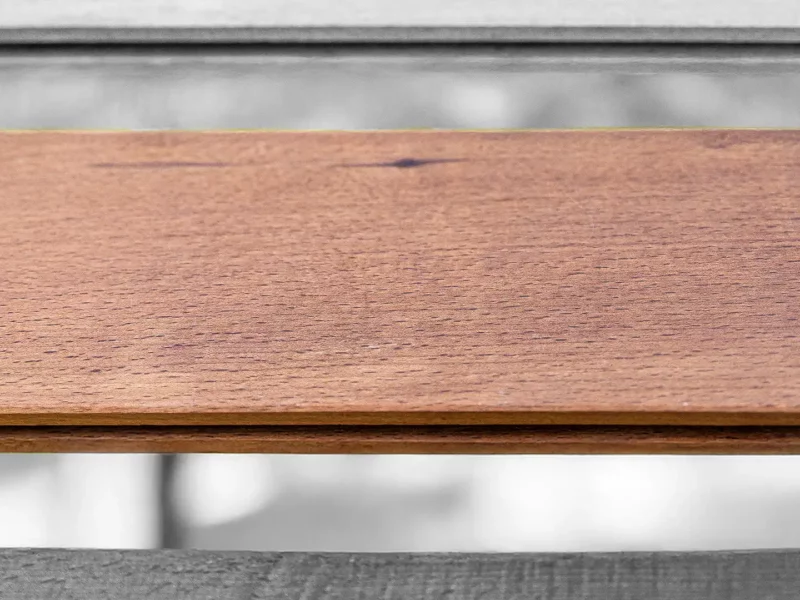
The image shows authentic wooden shingles, which are used for traditional façade and roof cladding and emphasise the natural character of wood in architecture.

Wood protection and wood modificationWood protection and wood modification

  • Development and optimisation of materials and measures for wood and material protection
  • Development and adaptation of methods for testing and diagnostics
  • Further development off thermal wood modification
  • standardisation work within DIN and CEN comittees “Durability of Wood and wood products”
  • Collaboration in specialist committees and associations of wood protection
  • Participation in teaching and expert training

This is complemented by the services of the Entwicklungs- und Prüflabor Holztechnologie GmbH (EPH), e.g. determining the durability or effectiveness of biocides and the certification programme “Quality Mark TMT”.

Gallery

Technical equipment

  • Mycological laboratory
  • Biomolecular laboratory (DNA extraktion robot), PCR/qPCR cycler, gel electrophoresis, array scanner)
  • Culture collection of microorganisms
  • Device for airborne germ sampling
  • Facilities for field tests in use classes 3 and 4
  • Reflected light microscopes up to 400x, transmitted light microscopes up to 1000x
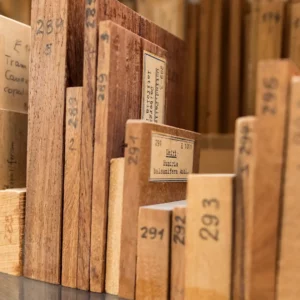
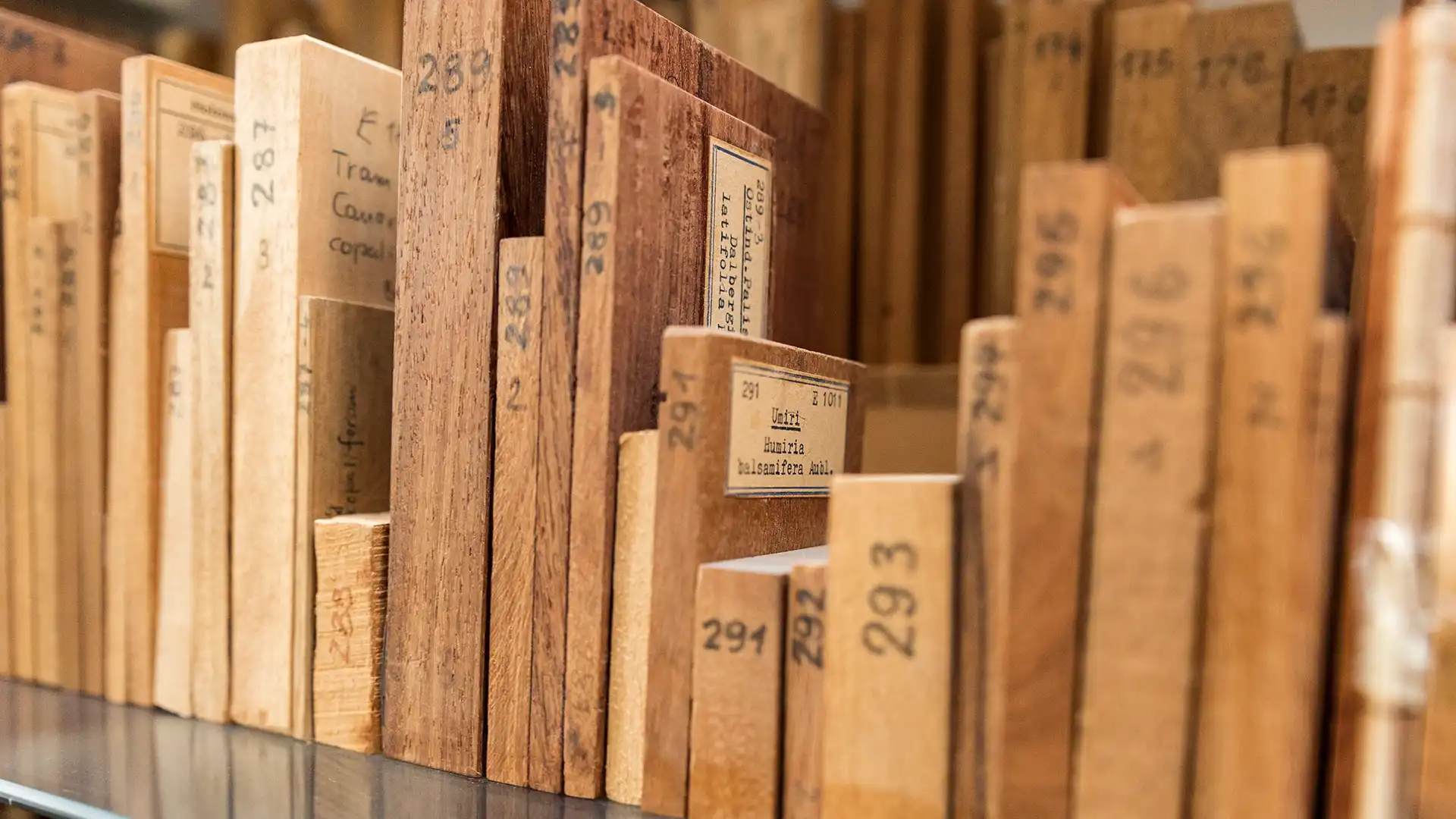
  • Xylotheque with over 2000 wood species
  • Grinding and polishing equipment for embedding preparations
  • Devices for inspection of constructions (endoscope, drilling resistance measurement)
  • Kiln dryer (2100 mm useful length)
  • Thermokiln (0.75 m³, 1200 mm useful length)

Services

  • Determination of harmful organisms (wood-destroying and discolouring fungi, moulds, bacteria, algae, insects)
  • Molecular biological fungal diagnostics (detection of dry rot fungi, yes/no test dry rot Serpula lacrymans, DNA sequencing)
  • Hygienic or building biology assessment of materials and interiors, mould testing
  • Biological testing (effectiveness of biocides, material resistance, airborne germ collection) is offered by the accredited Biological Testing Laboratory

Wood preservation and material protection

  • Damage analyses, wood preservation reports
  • Success control after control measures (sanitation, mould remediation)
  • Kiln drying and thermal modification
  • Humidity-regulated warm air procedure for the control of animal wood destroyers according to WTA 1-1 (disinfestation, stationary chamber)
  • Advice on protection, control and remediation measures
  • Training in the field of wood science and wood protection
  • Information dissemination (TMT leaflets, Technical statement on the use of propiconazole in wood preservatives)
  • Certification programme “Quality Mark TMT”

Wood science

  • Wood science investigations
  • Determination of wood species
  • Determination and evaluation of wood properties and wood qualities
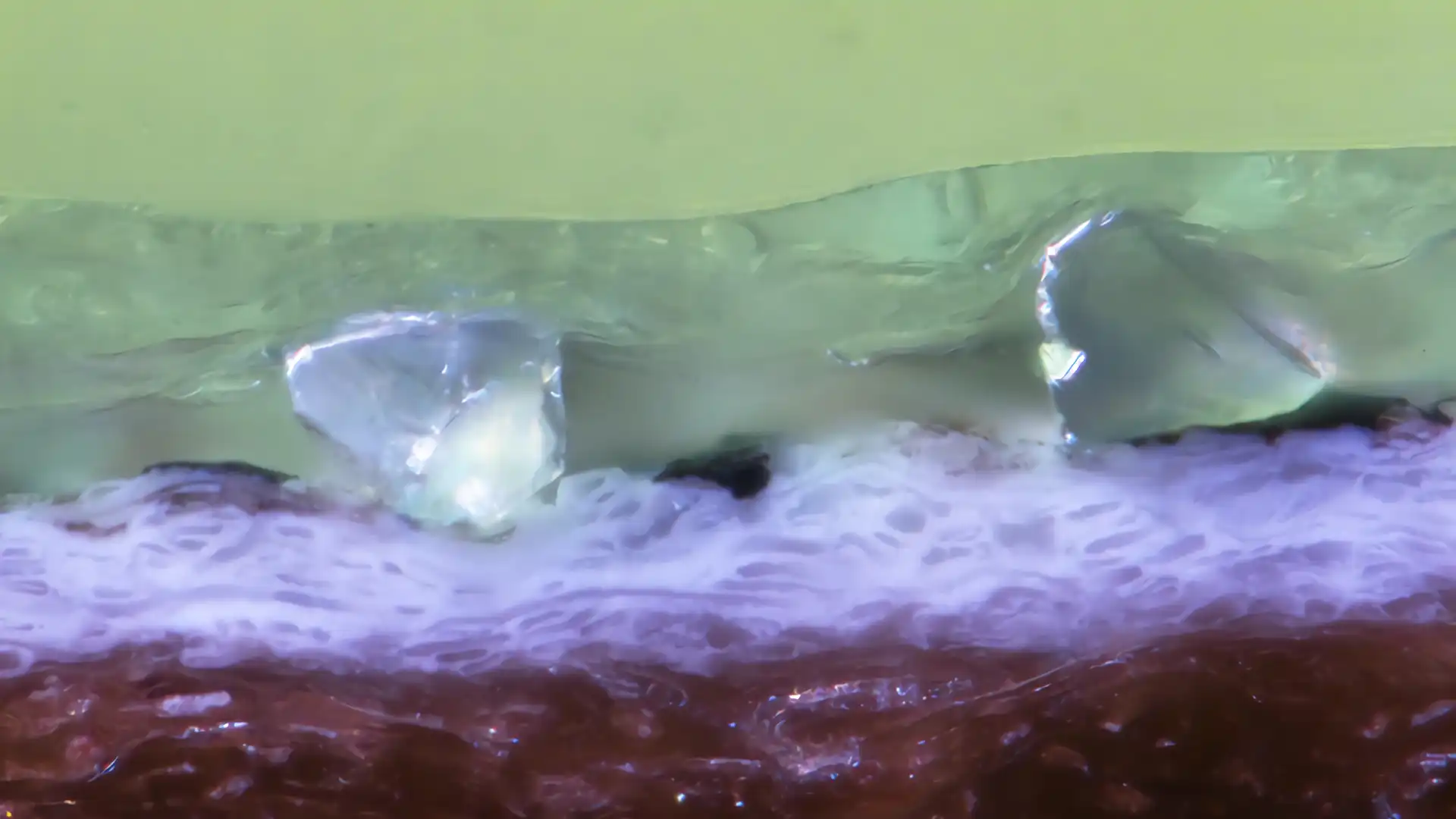
  • Measurement of layer thicknesses and microscopic structures