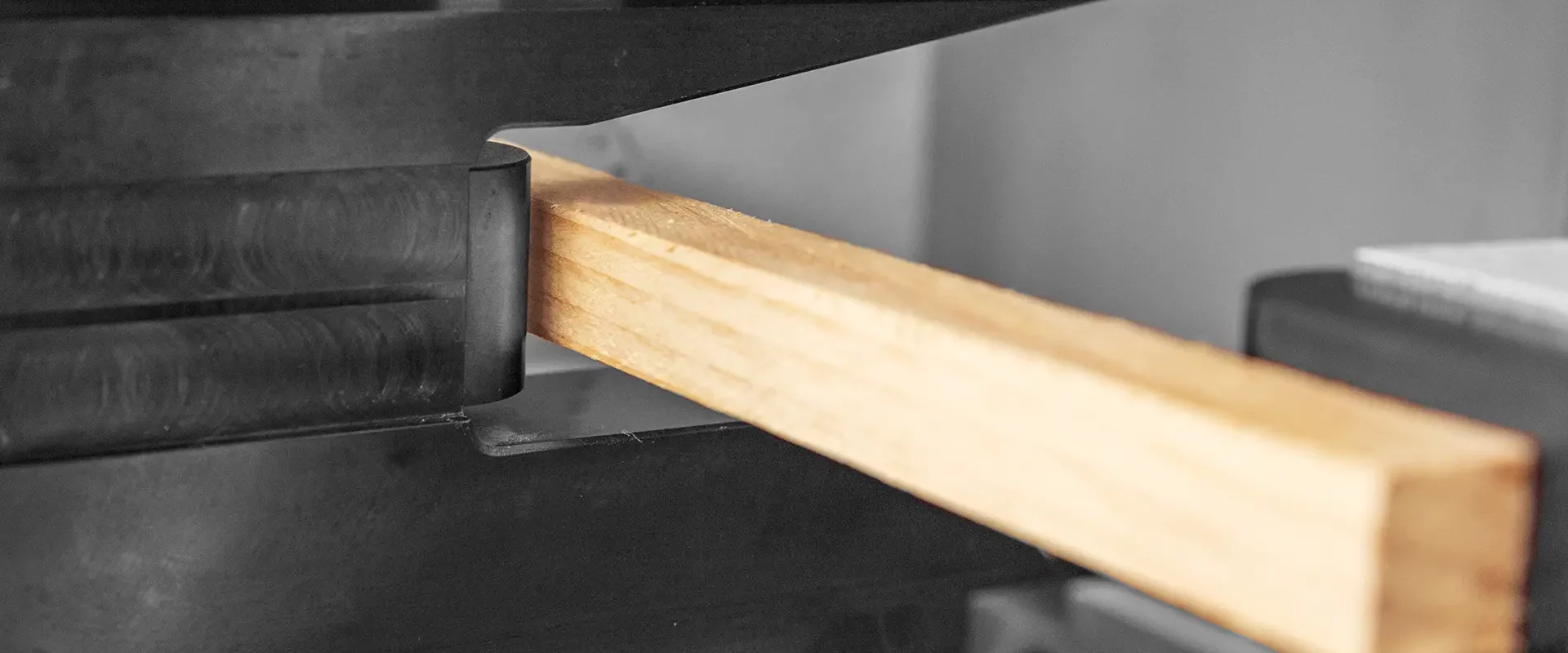
Close-up of a square wooden rod clamped in black metal jaws – part of a physical test setup for investigating mechanical properties.

Physics

This area at our institute deals with test method and product development. Apart from the classical products of the woodworking and wood-processing industries, its members of staff also include issues relating to the areas of automotive and light-weight engineering in their fields of activity.
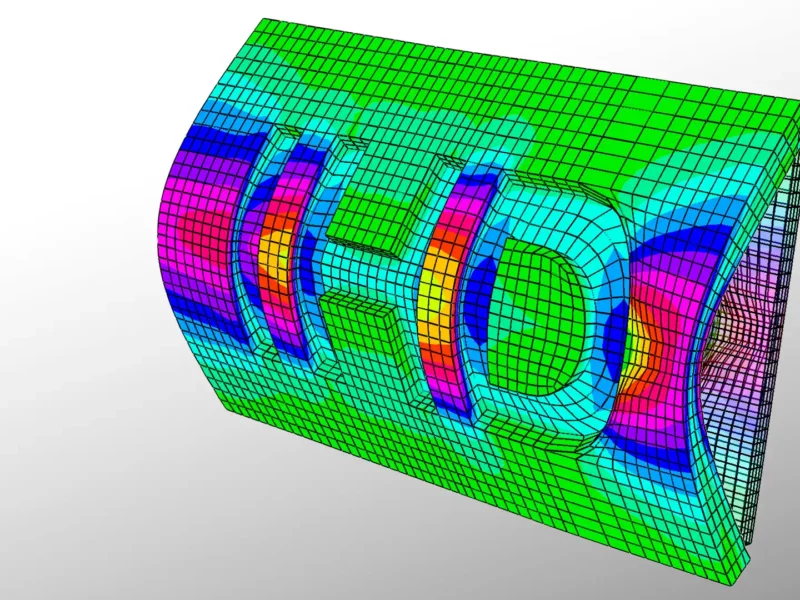
3D finite element model of a component with a colored stress map and fine mesh, IHD relief in the center.

Modelling and numerical methodsModelling and numerical methods

The development and application of numerical simulation methods allows for a well-founded physical description of materials and components throughout their entire life cycle.

  • Creation of 3D designs using CAD software and topology capture tools
  • Development and validation of numerical models for describing thermal, mechanical and hygric processes using implicit and explicit simulation methods
  • Use of FEM, CFD and analytical models for the optimisation of material and component properties
  • Parameterisation and calibration of material models based on experimental data
  • Minimisation of experimental investigations through model-based predictions
  • Identification of failure mechanisms and evaluation of optimisation potential
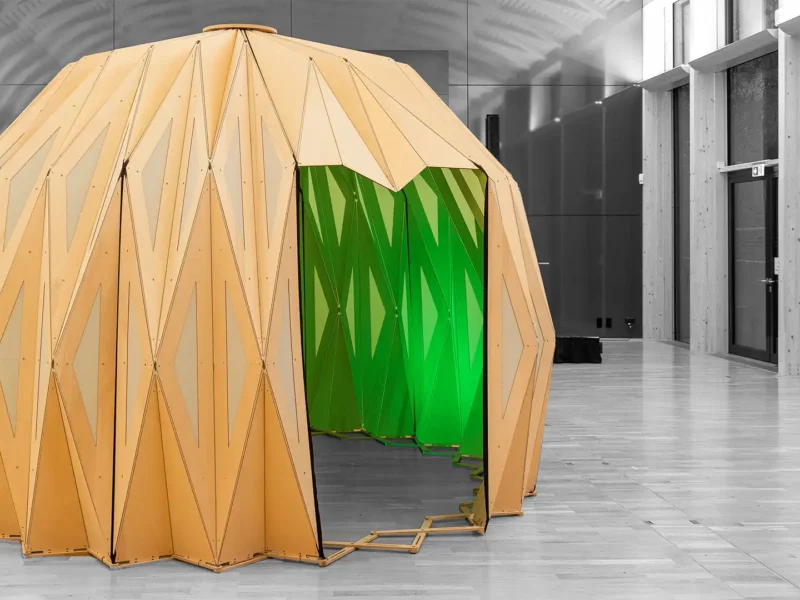
Geometric pavilion made of folded wood panels with an entrance, green lit interior, set up in a hall.

Light weight construction and composite materialsLight weight construction and composite materials

In addition to classic products from the woodworking and wood processing industries, we develop design solutions for products in the fields of vehicle and lightweight design as part of new developments and optimisation measures.

  • Development of components with a material mix optimised for use and improvement of the ecological balance
  • Development of design solutions with the aim of reducing weight, saving materials or functionalising
  • Development of fibre composite, {layer | coat} and sandwich materials
  • Use of lightweight construction methods and composite materials
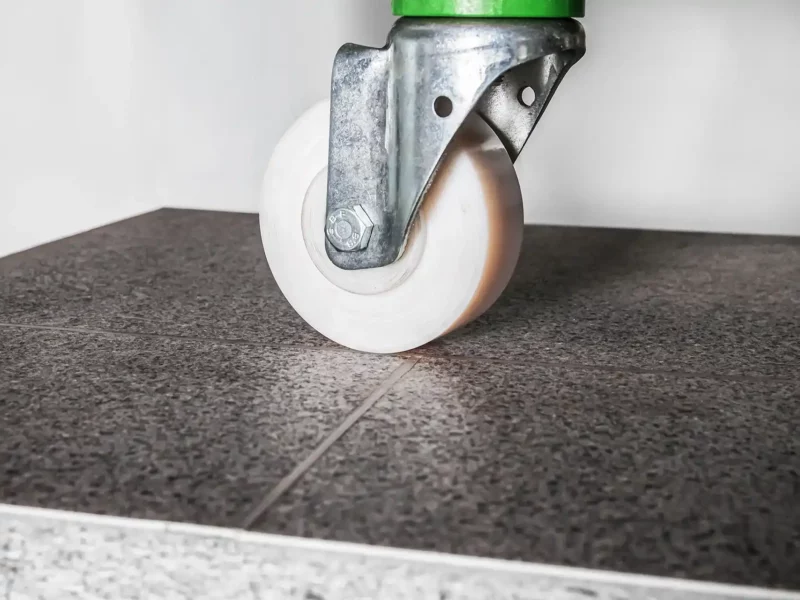
Heavy-duty roller wheel on a surface during roller test

Determination of characteristic values and ageing testsDetermination of characteristic values and ageing tests

The determination of physical characteristic values and the investigation of material ageing are essential for the assessment of materials and their long-term usability.

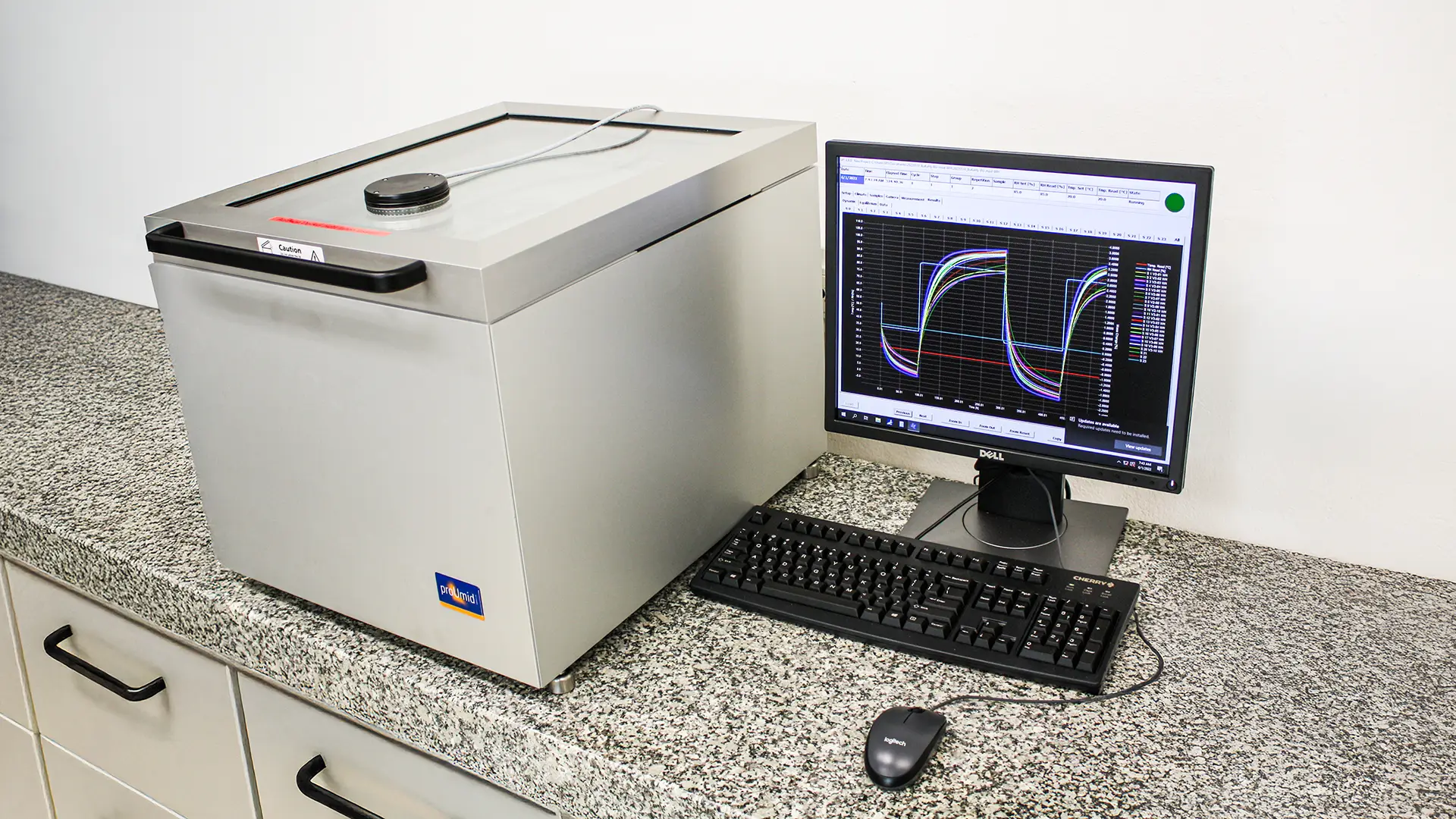
  • Experimental determination of thermal, mechanical and hygric material parmeters
  • Conducting artificial ageing tests using mechanical methods to predict creep, stress relaxation and fatigue behaviour
  • Assessment of environmental influences on the material property profile
  • Analysis of changes in structure and properties
  • Development and modification of test methods and principles
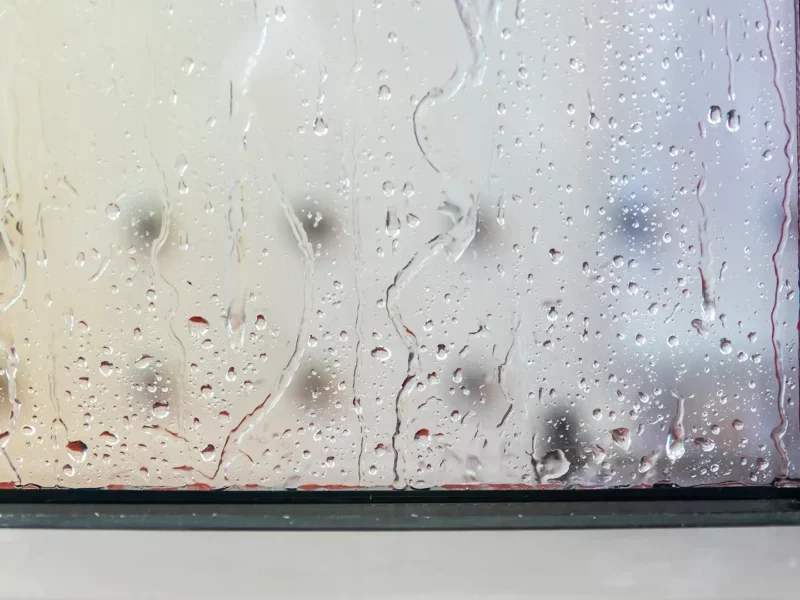
Close up of a window pane with raindrops and run marks along the bottom edge.

Proof of product qualityProof of product quality

The verification of product properties, such as for windows and doors, forms the basis for quality assurance and product development on an industrial scale.

  • Development and application of standardised and innovative test methods
  • Non-destructive and destructive test methods for quality assurance
  • Conducting audits for process monitoring
  • Assessment of the functionality of components under different climatic conditions
  • Identification of factors influencing product quality (e.g. production parameters, material dispersion)
  • Creation of physical and technical assessment bases
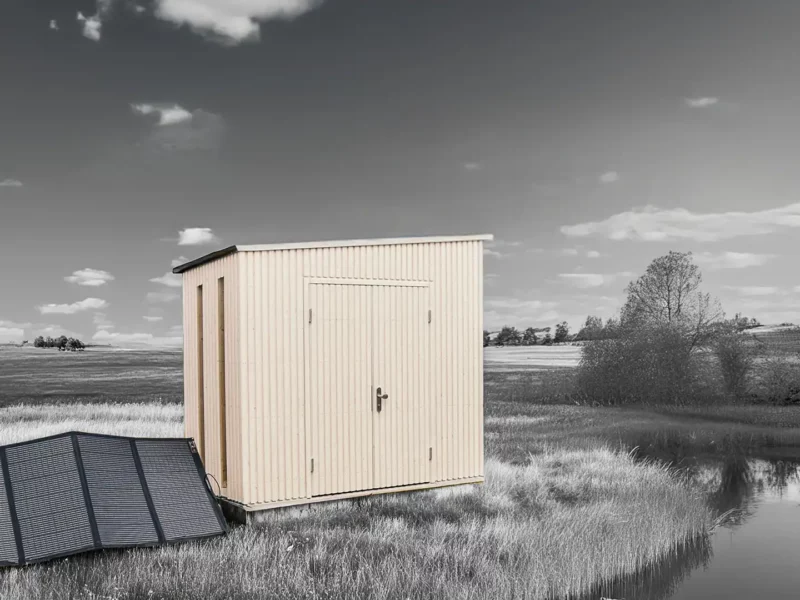
Small timber clad modular hut on grassland beside a foldable solar panel near a pond.

Sustainability and circular economySustainability and circular economy

Physical assessment approaches support the development of sustainable materials and technologies – from manufacturing and use to recycling.

  • Investigation of the physical properties of materials based on renewable raw materials
  • Assessment of reusability and recyclability based on physical criteria
  • Life cycle analysis (LCA) of materials and products
  • Integration of circular usage concepts into product development
  • Investigation of recycled materials with regard to material performance and ageing behaviour
  • Modelling and assessment of repair and reconditioning processes
  • Development of concepts for novel material cycles


Services

  • Project planning
  • Implementation of industrially commissioned research projects
  • Tests and investigations parallel to development
  • Processing of data for publication purposes
  • Expert’s opinion
  • Component design and optimisation
  • Support in the development and construction of demonstrators and prototypes