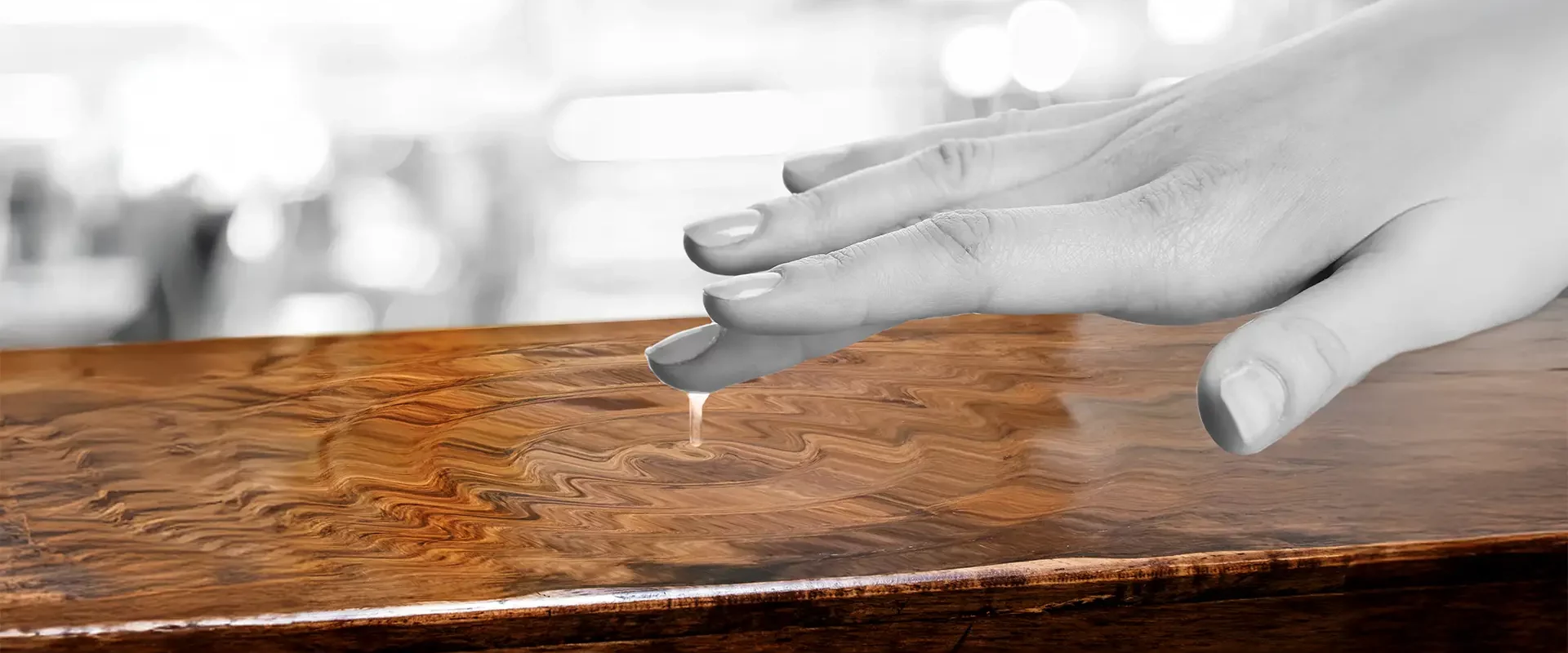
A finger touches the transparent lacquer of a richly grained wooden surface, solving small waves.

Surface

In the Surface Department, surfaces of wood, wood-based or other materials (composites, mineral substrates) are provided with properties which they do not naturally have or do not acquire during the manufacturing process, but which they require for their practical use – be it for a protective function, as a decorative surface or to achieve special functionalities. Solutions are developed in the following work areas; services are offered involving the re-spective technical equipment:
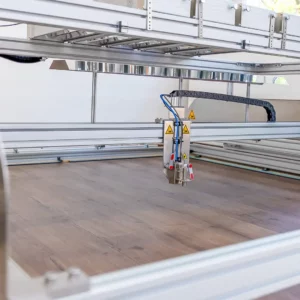
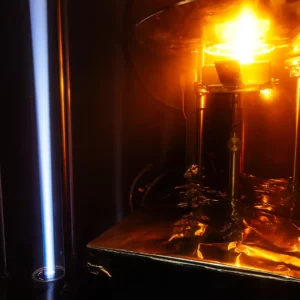
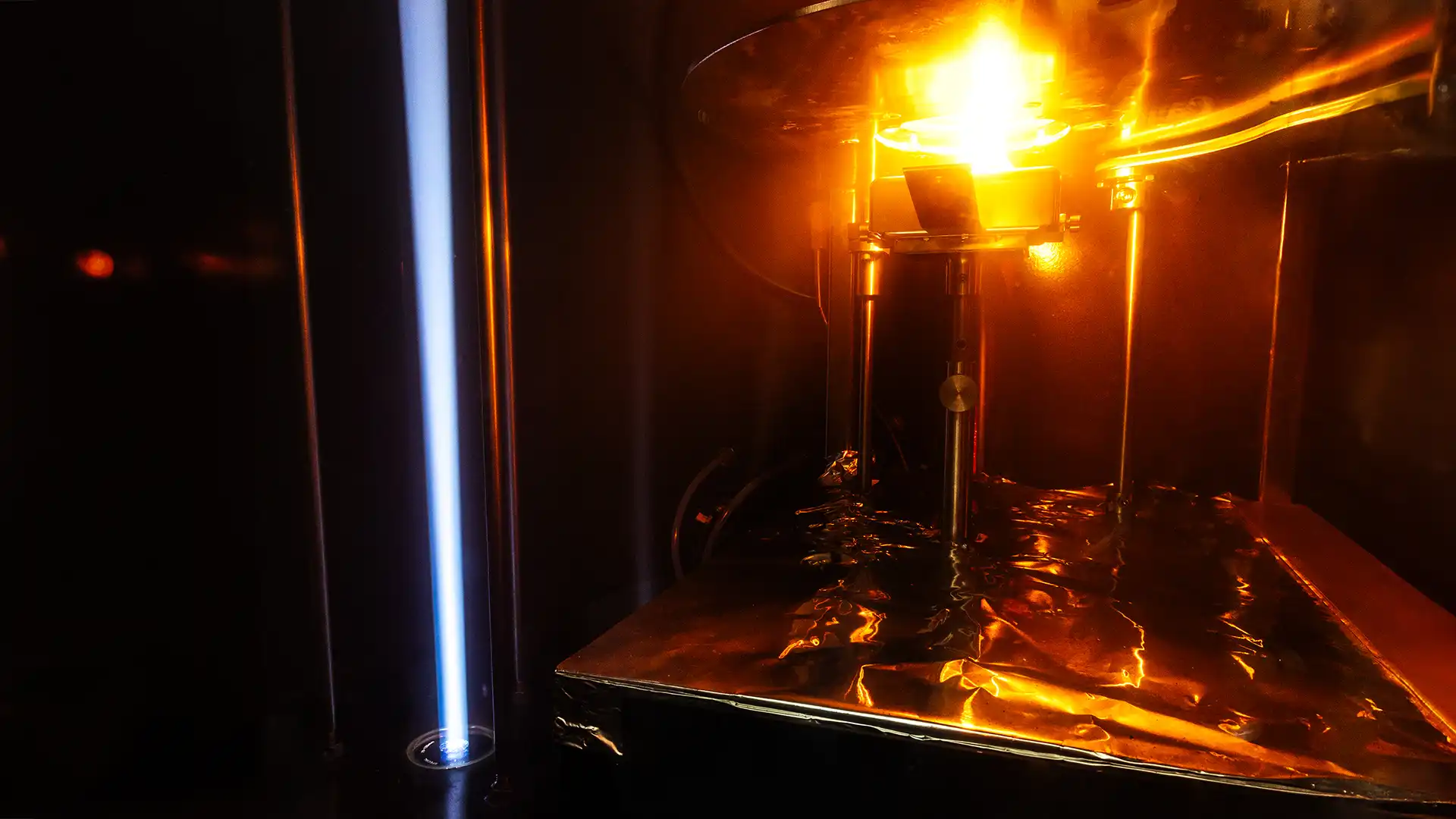
Matting by means of UV excimer

Surface functionalisationSurface functionalisation

  • Substrate pretreatment for subsequent machining and coating processes
  • Development of printing substrates and print finishing for use in digital printing
  • Development of coating formulations with suitable, partly novel additives or binders to achieve antimicrobial properties, improved chemical, mechanical and weather resistance or optimised reaction to fire
  • Development of coating structures for various substrates and corresponding technology adaptations
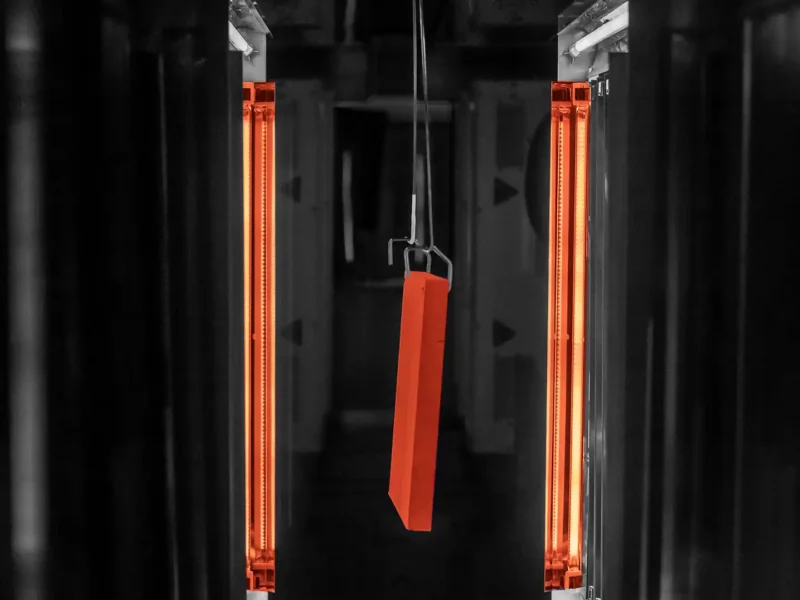
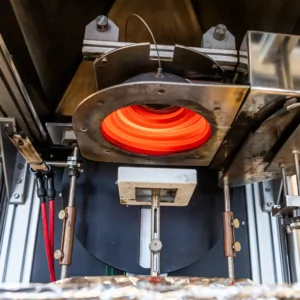
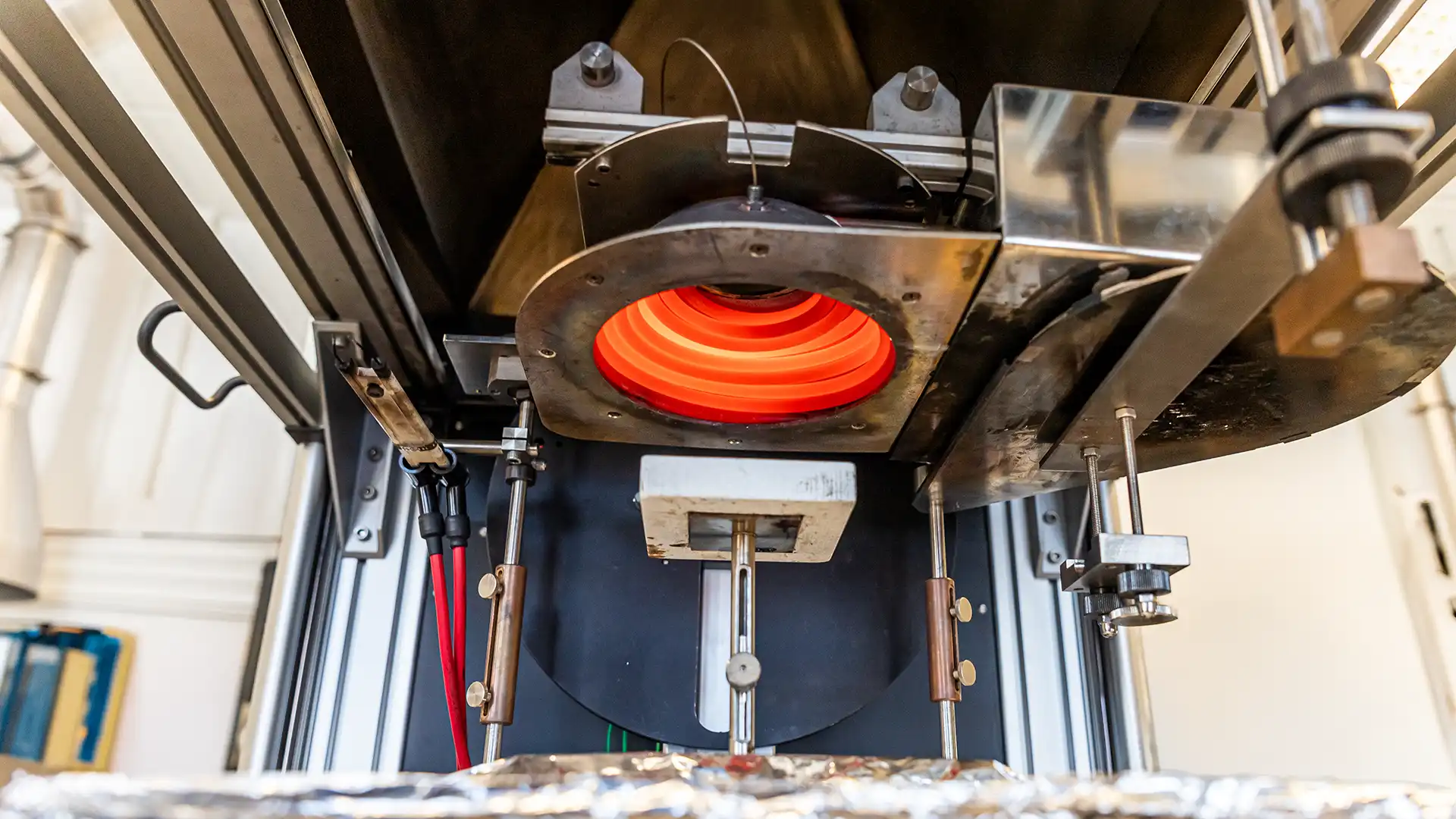
Melting furnace with infrared radiant heaters, in which powder coating applied to MDF is heated to melting point.

Application technologiesApplication technologies

  • Application of plasma, flame impingement or corona activation to prepare substrate surfaces for subsequent coating
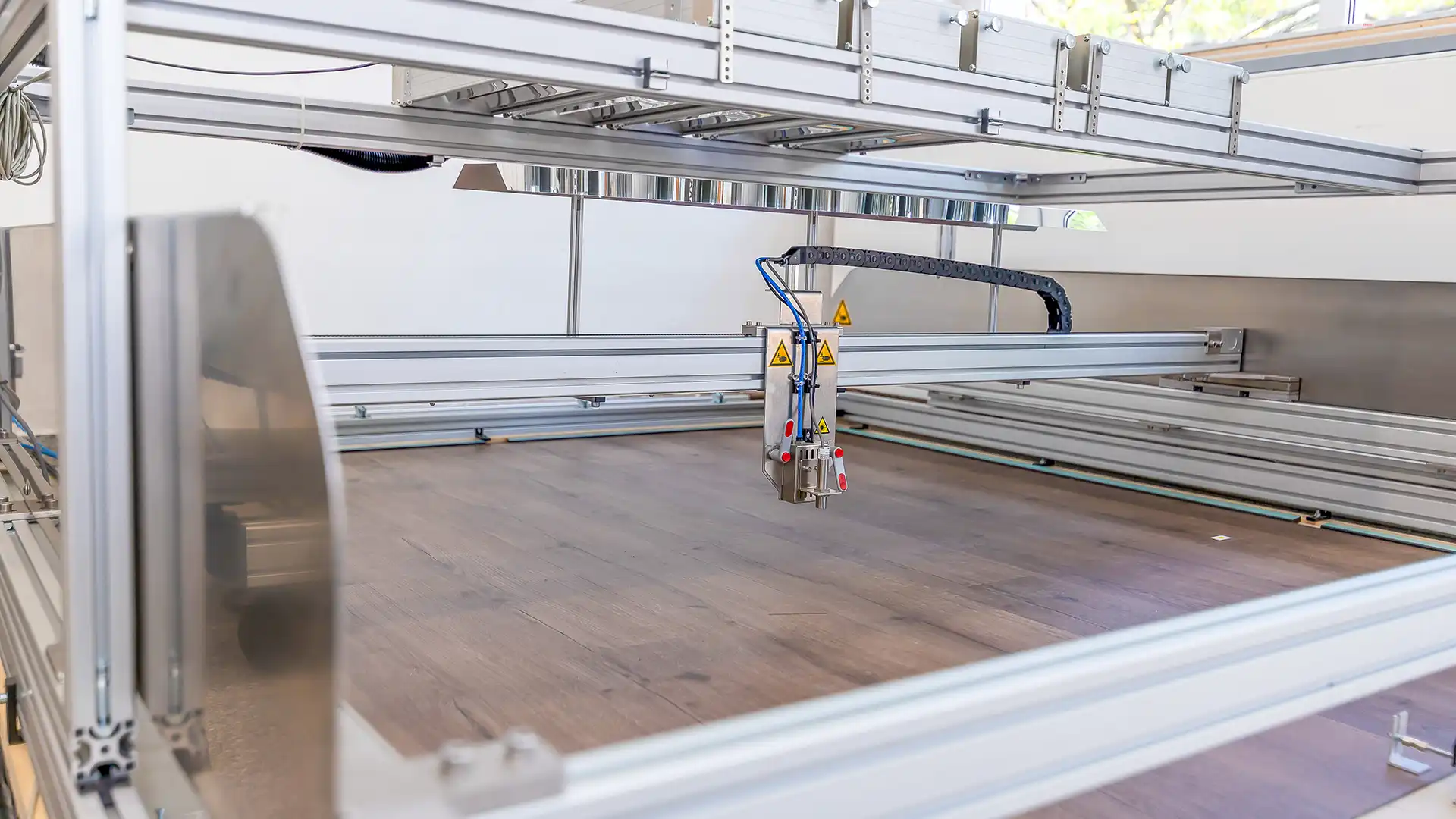
  • Liquid coating for various substrates using spray, roller or squeegee application
  • Use of powder coating (tribo, corona application) for new applications
  • Use of IR drying or UV or electron beam cross-linking technologies for optimisation of coating properties
  • Use of digital printing technology for direct printing on various substrates
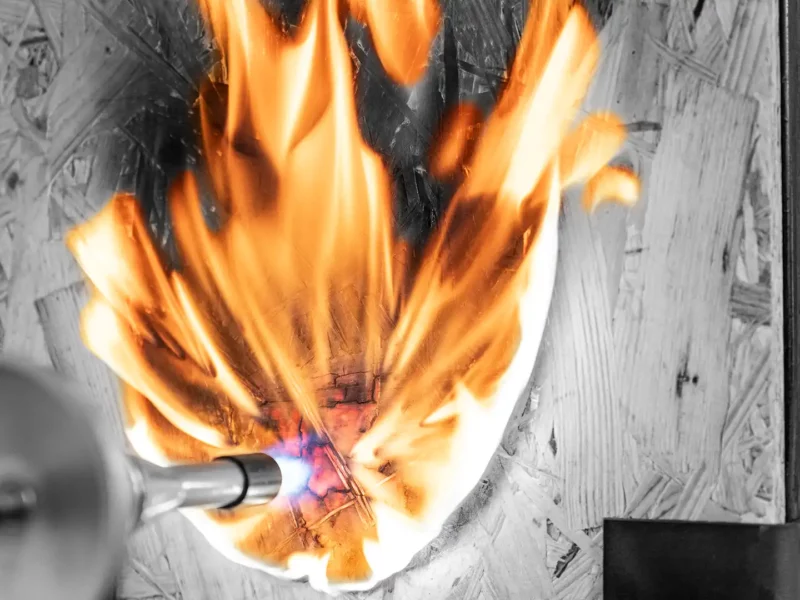
Fire test setup: Flame from a burner nozzle hitting a {wood based material impregnated with flame retardants.

Reaction to fireReaction to fire

  • Development of laboratory test methods for material- and time-saving assessment of the reaction to fire of various products
  • Development of forecast models between large-scale tests (SBI) for e.g. floors and wall coverings and fire test methods with smaller test specimens
  • Improvement of the reaction to fire of wood-based products such as wood floors, veneers and wall coverings, e.g. for high-end interior design
  • Investigations into the durability of flame retardants on wood-based products for interior and exterior use, e.g. wall coverings and facade elements
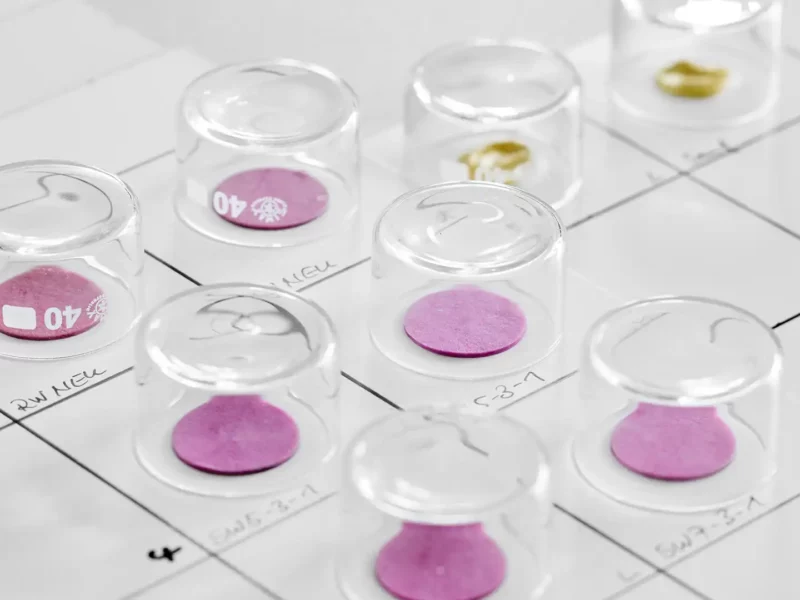
Several sample discs under inverted glass covers on graph paper: test setup for investigating the effect of red wine on surface colour.

Analytical and testing methodsAnalytical and testing methods

  • Development of test methods, e.g. for the mechanical scratch resistivity of surfaces for furniture and interior design as well as for floors (e.g. abrasion, scratch and impact resistance, polishability and resistance to cold liquids)
  • Development of test liquids (e.g. chemical resistance) or (reference) materials (e.g. calibration agents) suitable for surface testing
  • Combination of analysis and test methods, e.g. for the determination of the weather-related behaviour of coatings or the ageing behaviour
  • Dimensional stability test methods for floor coverings (e.g. HotSpot test method) and furniture components
  • Consulting and assistance in the adaptation and implementation of test methods in industrial processes, e.g. in the context of quality assurance
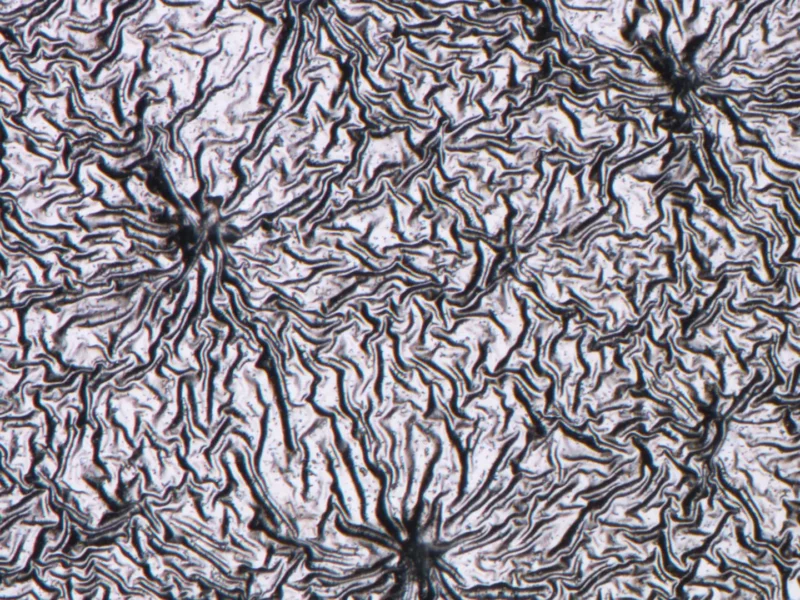
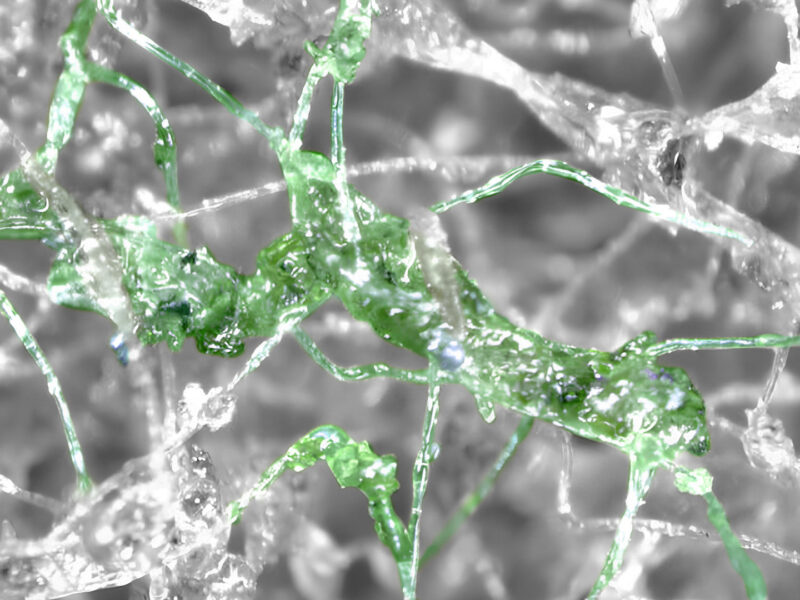
Microscope image of a Scotch scratch pad

Resource modification and developmentResource modification and development

  • Development of modified binder components for flame-retardant coating systems
  • Development of novel flame retardants based on renewable raw materials, among other things
  • Development and use of modified vegetable oils for binders in coatings and Impregnations
  • Modification of natural polymers as adhesives and binder bases
  • Development of trap systems to reduce VOC and formaldehyde emissions
  • Investigation of polymer properties (molecular weight distribution, rheological properties)

Technical equipment

  • Lacquering laboratory equipped with industrially common application methods for liquid and powder lacquers (electrostatic methods, spraying, casting, rolling)
  • Surface activation by flaming or by plasma treatment
  • Possibilities for enforced drying and for UV, UV-Inert, UV-LED as well as electron-beam networking
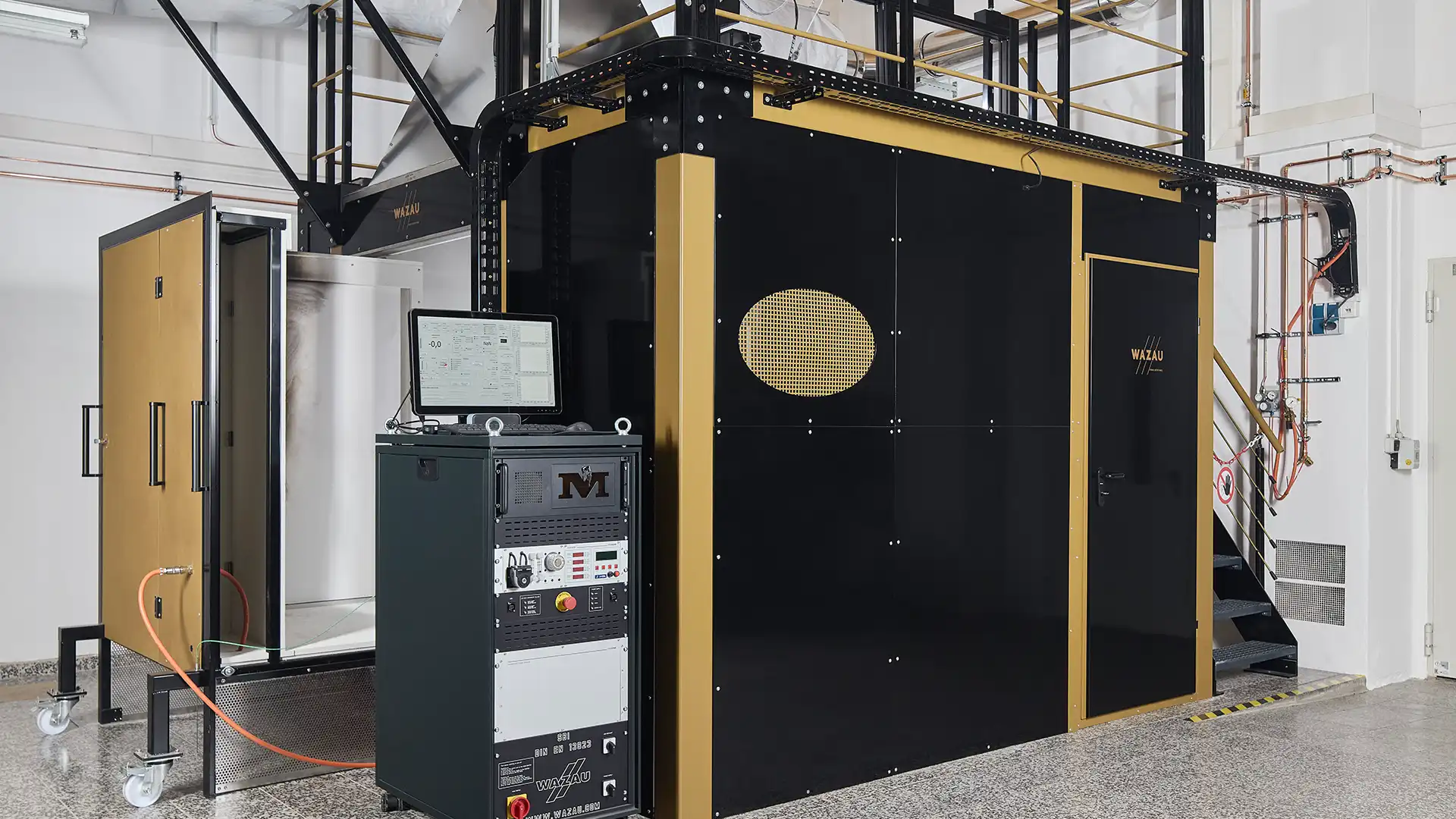
  • Fire laboratory equipped with large-scale devices (single-flame test (DIN EN ISO 11925-2: 2010), radiant-panel test, IMO fire test rig (ISO 5658-2:2006), Non-combustibility furnace)
  • and Laboratory-scale test devices (cone calorimeter (ISO5660:2002) with FT-IR gas analysis (ISO 19702:2006), bomb calorimeter (DIN EN ISO 1716:2010), oxygen index)
  • Digital-print laboratory (single-pass digital printer Jupiter) as well as print preparation and print assessment systems
  • Devices for weather and light exposure, climate chambers and climate cabinets
  • Manifold surface-testing devices for floorings, furniture, dispersion paints and outdoor coatings
  • Analytical equipment for various investigations ( REM/EDX, DSC/UV-DSC, STA (TGA/DSC) with FT-IR gas analysis, chemoluminescence analysis, microindenter, FT-IR spectroscopy (transmission, ATR), FT-IR microscopy)

Services

  • Conducting investigations and analyses for quality assessment and evaluation of patterns of damage on various materials and products
  • Development of product-specific test concepts
  • Characterisation and testing of new powder coating systems and application techniques
  • Investigations into the application behaviour of paints and other coating formulations
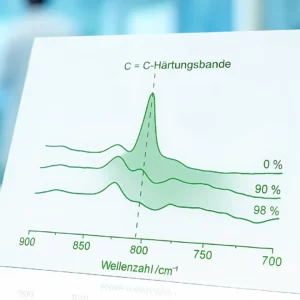
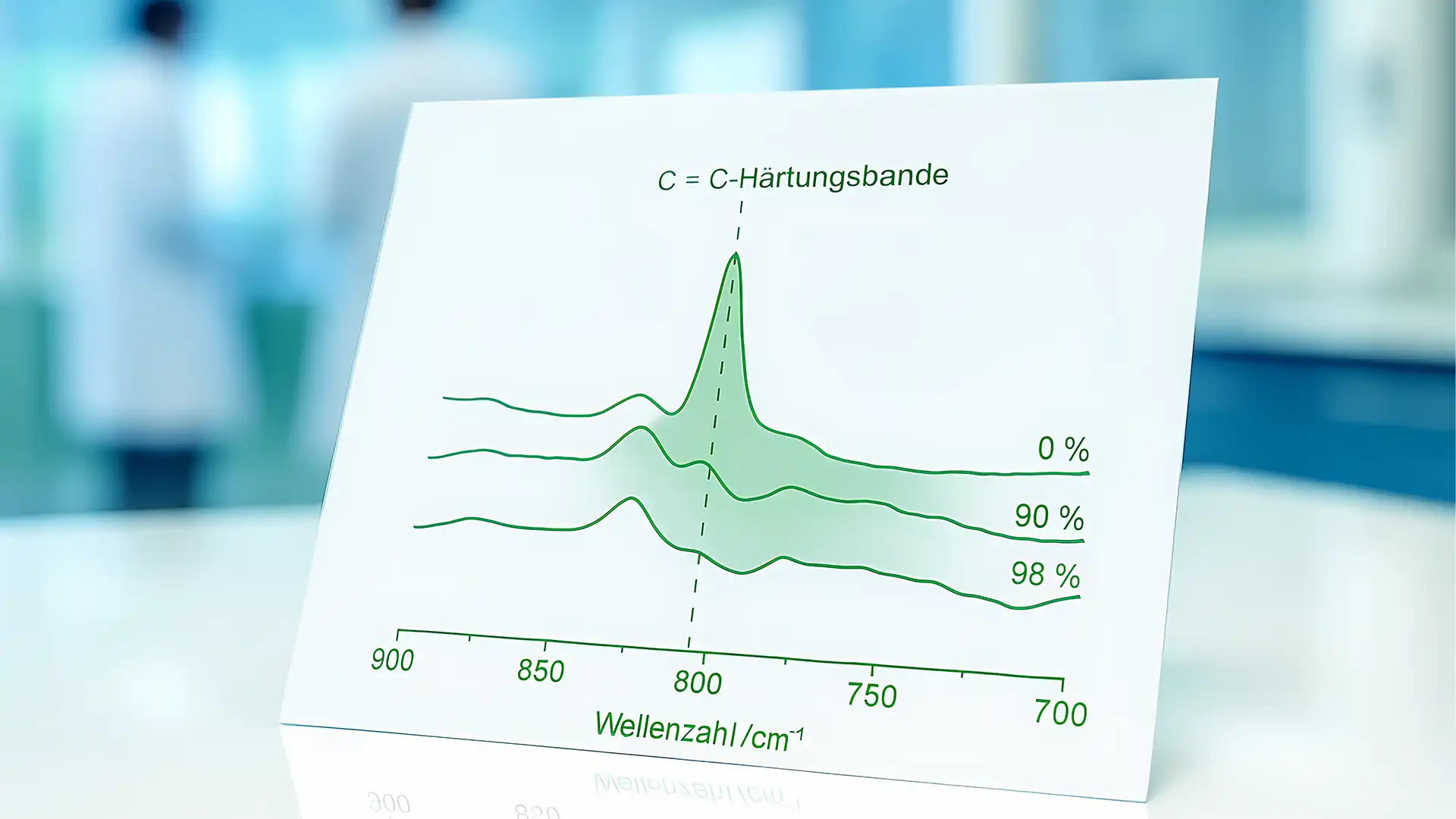
  • Selection of suitable technological parameters for UV, UV LED or electron beam cross-linking and characterisation of the cure
  • Modification of coatings with suitable additives, e.g. with regard to reaction to fire, chemical or scratch resistance and proof of effectiveness
  • Development and characterisation of suitable printing substrates for various substrates
  • Selection and application of protective coatings for prints on various substrates